 Word Ivy
以写促学,闭环学习
从一篇作文开始,看 Word Ivy 怎样帮你提高
选一个你正在准备的考试。下面八步,用这个考试的一篇示例作文,带你走一遍:拿到分数、找出错误、看清结构、知道先学什么、学完就练、改完再交、看这篇改好的样子,以及高分作文长什么样。每一个数字都是真实的 AI 批改结果。
我现在的写作水平到底怎么样?
交上一篇作文,一分钟拿到分数——按考研英语作文(英语一)的评分维度逐项打分。不只是一个总分:哪一项拖了后腿,一眼看清。
题目:「The Reunion Dinner」· 英语一·图画作文
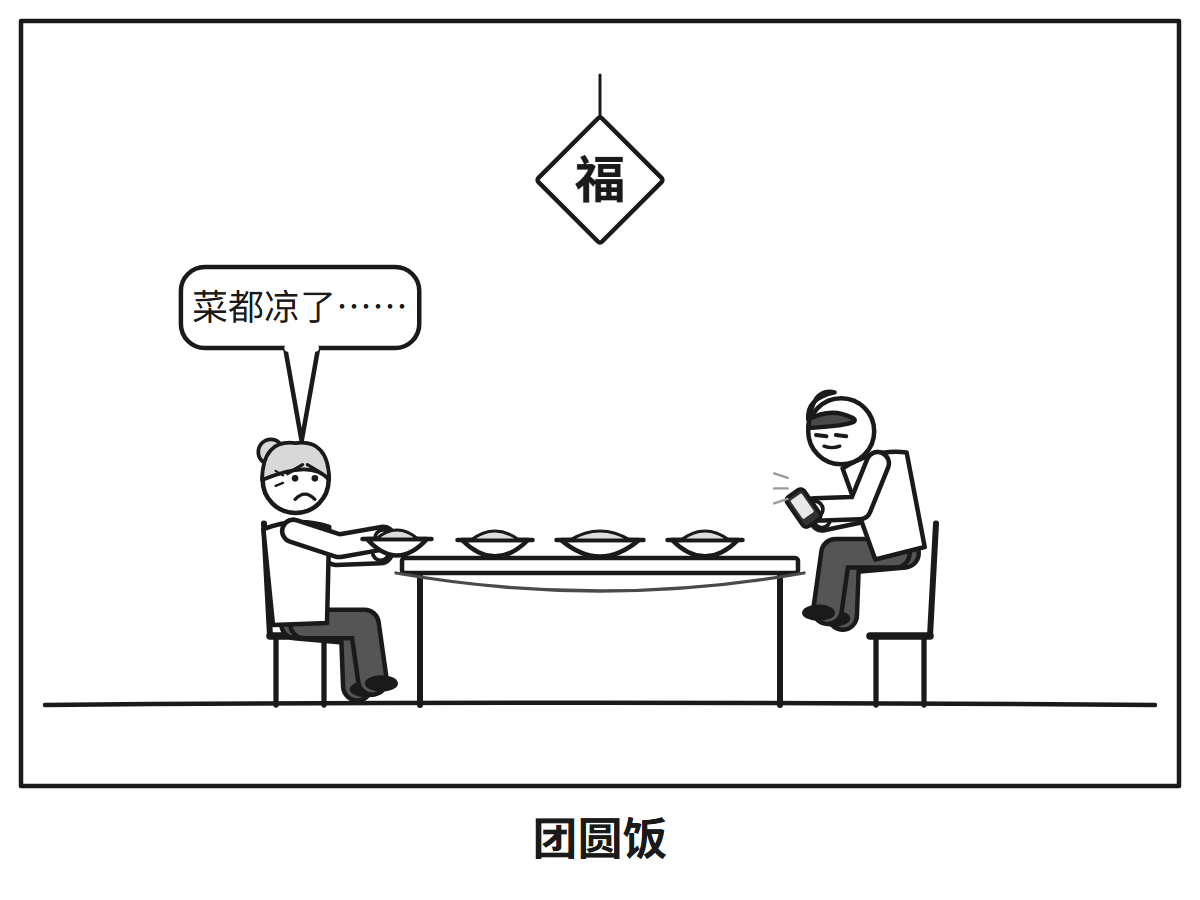
Directions: Write an essay of 160–200 words based on the picture below. In your essay, you should 1) describe the picture briefly, 2) explain its intended meaning, and 3) give your comments.
示例作文 · 186 词
As is vividly depicted in the picture, a family is having the dinner together at Spring Festival. The grandmother hold a bowl and smile to her grandson, she say "the dishes are all cold". But the young man is looking at his phone and he don't look at her. There are many delicious food on the table but nobody eat them.
展开全文收起
The picture want to tell us that the phone has became a wall between family members. Nowadays, many young people spend too much time on their phone, even when they are together with their parents and grandparents. They are sit at the same table, but their heart is in the other place. It goes without saying that this phenomenon is very harmful. Firstly, the old people will feel lonely and sad, because they wait for the reunion for a whole year. Secondly, the relationship of family will become more and more weak. In my opinion, we should put down our phone when we have dinner with family and talk with them more. Only we cherish the time with our family, we can be really happy.
- ✓描述图画:老人端菜相邀,年轻人低头看手机
- ✓阐释寓意:手机冷落亲情,团圆却缺少交流
- ✓发表评论:提出放下手机、多陪伴家人的建议
三个内容要点齐全:图画描述、寓意阐释、个人评论均有涉及;寓意把握准确,点出手机成为家人之间的'墙',与题目意图一致;评论部分给出'放下手机、多与家人交流'的具体建议,切题
图画描述可更细致,如点出'福'字装饰、饭菜已凉等细节,使描述更贴合画面;评论部分可再补充一句对年轻人自身的反思,使论证更有层次
三段式结构清晰:描述—寓意—评论,逻辑推进自然;使用 Firstly、Secondly、In my opinion 等衔接词,层次分明
衔接手段较为机械(Firstly/Secondly),可尝试用更自然的过渡,如 Worse still、What's more;第二段与第三段之间可加一句过渡,使'现象—危害—建议'的推进更连贯
尝试使用 became a wall between、reunion 等与主题相关的表达;句式有一定变化,如 there be 句型、定语从句、only 引导的倒装尝试
句式以简单句为主,可增加非谓语、分词结构等,提升句式多样性;词汇偏基础,可积累如 alienate、face-to-face communication、emotional bond 等表达;开头 As is vividly depicted 与 It goes without saying 属模板句,不计入语言丰富度,应把精力放在原创句上
大部分句子意思可以理解,基本传达了写作意图
主谓一致错误频繁:The grandmother hold、he don't look、nobody eat 等,需重点纠正;时态与动词形式错误多:has became、They are sit、she say 等,应统一为一般现在时并注意动词形式;名词单复数与冠词问题突出:many delicious food、their heart、the relationship of family 等;only 引导的倒装句使用错误:Only we cherish... we can be... 应为 Only when we cherish... can we be...
我到底错在哪、为什么扣分?
这篇作文查出 9 类、共 17 处问题。每一处都指到你的原句,给出改法和原因——还会告诉你,这类错误为什么是中文母语者最容易犯的。
语法
错误: The grandmother hold a bowl
纠正: The grandmother holds a bowl
原因: 主语为第三人称单数,谓语动词应加 -s。
错误: he don't look at her
纠正: he doesn't look at her
原因: 第三人称单数否定应用 doesn't。
错误: nobody eat them
纠正: nobody eats them
原因: nobody 作主语视为单数,动词应加 -s。
母语干扰分析 — 中文
我们在本次作文中发现了 11 处错误,涉及 5 个类别,符合中文母语者的已知干扰模式。这些不是能力缺陷——而是中英文差异造成的可预测挑战。认识到这些规律是克服它们的第一步。
文章结构缺了什么?
语法之外,看整篇文章的骨架:每一段在做什么、做得够不够,还缺哪一块、该补在哪里。
结构分析(逐段)
你的文章是「描述图画—阐释寓意—评论建议」的标准三段式,结构本身没问题;最值得改的是把第二段的寓意句提到段首,并让第二、三段之间的推进更自然。
第一段:描述图画
已为你改好用两三句话点出人物、动作与关键细节,给阅卷人第一印象
人物、动作、对话都写到了,但主谓一致和时态错误密集,且漏掉了「福」字装饰、饭菜已凉等与寓意直接相关的细节
The grandmother hold a bowl and smile to her grandson
怎么改: 描述句统一用一般现在时,第三人称单数加 -s;再补半句画面细节(如 the dishes have gone cold),让描述更贴图
去学这个知识点第二段:阐释寓意并论证
已为你改好一句话点明图画想表达的道理,再展开论证
寓意句「手机成了家人之间的墙」写得准确,但被放在段首之后又被例子冲淡,且「They are sit at the same table」等句式错误削弱了表达
the phone has became a wall between family members
怎么改: 把寓意句作为段首主题句独立成句,后面用具体场景(同坐一桌却心不在焉)来支撑它
去学这个知识点第三段:评论与建议
已为你改好表明态度或提出建议,结尾与图画呼应
给出了「放下手机、多与家人交流」的具体建议,切题,但 Firstly/Secondly 衔接偏机械,且结尾的 Only 倒装句写错了
Only we cherish the time with our family
怎么改: 用 Worse still、What's more 等更自然的过渡替代 Firstly/Secondly,并把结尾倒装句改为 Only when... can we...
去学这个知识点
那我该先补什么?
不用自己判断先学什么。根据这篇作文里的错误,学习模块已经排好了顺序,每一个都对应你作文里的一类具体问题。
本篇中最需要关注的是 主谓一致(Subject Verb Agreement),出现了 3 次。 其次是 动词时态(Verb Tenses)。 建议先从「动词时态:现在时」开始——这是根据本篇错误排出的第一顺位,针对性练习会帮你快速改善。
怎么补?
学一小节,马上做题。做错了,直接跳回讲这个知识点的那一段。每个模块 15 道题,答对 80% 算掌握,可以无限重做,记最好成绩。
这道练习题可以直接作答,试试看。
第 1 节
一般现在时
一般现在时(present simple)是英语中使用频率最高的时态之一,用来描述事实、习惯、日常和普遍真理。掌握一般现在时非常重要,因为它是理解其他所有时态的基础。
构成
一般现在时在大多数主语后使用动词原形。关键的例外是第三人称单数(he、she、it),动词要加 -s 或 -es。
肯定句
| 主语 | 动词 | 例句 |
|---|---|---|
| I / You | 动词原形 | I work every day. |
| We / They | 动词原形 | They live in Berlin. |
| He / She / It | 动词原形 + -s/-es | She works every day. |
否定句
否定句在动词原形前使用 do not (don't) 或 does not (doesn't)。
| 主语 | 结构 | 例句 |
|---|---|---|
| I / You / We / They | do not + 动词原形 | I don't like coffee. |
| He / She / It | does not + 动词原形 | He doesn't like coffee. |
重要: 使用 does 或 doesn't 时,主要动词要回到原形。不要写 "He doesn't likes"——正确的形式是 "He doesn't like"。
疑问句
| 类型 | 结构 | 例句 |
|---|---|---|
| 一般疑问句 | Do/Does + 主语 + 动词原形? | Do you speak French? |
| 特殊疑问句(Wh-) | Wh- 疑问词 + do/does + 主语 + 动词原形? | Where does she work? |
例外: 当 who 或 what 本身就是主语时,不用 do/does:
- Who wants more tea?(不说:Who does want more tea?)
- What causes inflation?(不说:What does cause inflation?)
第三人称单数加 -s 的规则
第三人称单数加 -s 时,拼写有固定规律:
| 规则 | 原形 | 第三人称单数 | 变化方式 |
|---|---|---|---|
| 多数动词 | work | works | 加 -s |
| 以 -s、-sh、-ch、-x、-z 结尾 | wash | washes | 加 -es |
| 辅音字母 + -y 结尾 | study | studies | -y 变 -ies |
| 元音字母 + -y 结尾 | play | plays | 加 -s |
| 不规则 | have | has | 需记忆 |
| 不规则 | go | goes | 加 -es |
| 不规则 | do | does | 加 -es |
一般现在时的用法
1. 事实与普遍真理
用一般现在时表达一直成立或普遍成立的事情。
- Water boils at 100 degrees Celsius.
- The Earth revolves around the Sun.
- Banks open at 9 a.m. on weekdays.
2. 习惯与日常
用一般现在时表达有规律、反复发生的动作。
- I drink coffee every morning.
- She goes to the gym three times a week.
- We have a team meeting on Mondays.
3. 长期状态
用一般现在时表达长期或永久的状态与情形。
- He lives in Tokyo.
- She works for a technology company.
- They own two restaurants.
4. 既定安排(时刻表)
用一般现在时表达固定的日程和时刻表,即使说的是将来的事。
- The train leaves at 6:15 p.m.
- The conference starts on March 10th.
- The store closes at midnight.
5. 说明与指路
用一般现在时给出分步骤的说明。
- You turn left at the traffic light, then you walk straight for two blocks.
- First, you open the file. Then you click "Save As."
6. 新闻标题与现场解说
标题和现场解说用一般现在时,以营造临场感。
- Government announces new policy.
- He passes the ball to the striker, who scores!
标志词
有些词和短语经常与一般现在时同现。这些标志词能帮你判断该用哪个时态。
| 标志词 | 例句 |
|---|---|
| always | She always arrives on time. |
| usually | I usually walk to work. |
| often | They often eat out on Fridays. |
| sometimes | He sometimes forgets his keys. |
| rarely / seldom | We rarely watch television. |
| never | I never drink soda. |
| every day / week / month / year | She exercises every day. |
| on Mondays / weekdays | The class meets on Tuesdays. |
| once / twice / three times a week | He visits his parents twice a month. |
常见错误
错误 1:第三人称漏掉 -s
- 错误: She work in a hospital.
- 正确: She works in a hospital.
错误 2:和 do/does 连用时又加了 -s
- 错误: Does she works here?
- 正确: Does she work here?
错误 3:用一般现在时表达此刻正在发生的动作
- 错误: I read a book right now.(应改用现在进行时。)
- 正确: I am reading a book right now.
错误 4:用一般现在时表达临时状态
- 错误: He lives with his friend this month.(临时状态应用现在进行时。)
- 正确: He is living with his friend this month.
快速小结
想表达下面这些内容时,用一般现在时:
- 一直成立的事实
- 习惯或日常
- 长期的状态
- 已排定的将来安排
一般现在时是表达「稳定」的时态——它描述的是普遍、规律或长期为真的事情。
第 1 题 / 共 15 题
Choose the correct form: "Water ___ at 100 degrees Celsius."
改完再交,进步看得见
学完推荐的模块,再写同一道题:分数从 11/20 提到 14/20,学过的错误明显减少。新的报告接着告诉你,下一步该攻「用词准确性」。
同一道题的第二稿:示例作文,按推荐学完前几个模块后改写。两稿的分数和错误都是真实的 AI 评分结果。
第一稿
11/20
第二稿
14/20
第一稿最多的几类错误
第一稿 第二稿
- 主谓一致3 → 0 处
已清零
- 动词时态3 → 0 处
已清零
- 复数与量词2 → 0 处
已清零
- 冠词2 → 0 处
已清零
全部错误:17 处 → 2 处
第二稿的报告把下一步重点换成了 「用词准确性」,并推荐对应的模块——学习计划跟着你的作文一起变。
这篇作文改好了是什么样?
知道了自己的问题,还要看见目标。这是这篇示例作文的真实改写:思路和结构不变,换成更强的表达。改写稿再交给同一套 AI 评分,从 11/20 到 16/20。
改动说明
- The grandmother hold a bowl and smile to her grandson, she say "the dishes are all cold"The grandmother holds out a bowl of food and smiles at her grandson, saying, "The dishes are all cold."第三人称单数动词加 -s,并用分词结构代替逗号连接两个分句,避免连续句语言准确性
- he don't look at herdoes not look at her第三人称单数否定用 doesn't/does not,且书面语中不用缩写更稳语言准确性
- There are many delicious food on the table but nobody eat themThere is much delicious food on the table, but nobody eats itfood 不可数用 much 和 is,nobody 视为单数用 eats,代词用 it语言准确性
- The picture want to tell us thatWhat the picture intends to tell us is that主谓一致改正,同时用主语从句开头,增加句式变化语法词汇多样性
高分作文长什么样?
同一道题的一篇高分范文(18/20):看它怎么开头、怎么展开、哪些表达值得模仿。注册就能看范文,逐段的高分拆解是专业版。
The picture shows a family reunion dinner. The table is full of dishes, and a red 福 character hangs on the wall, yet the atmosphere is far from warm. An elderly grandmother holds out a bowl, smiling hopefully and remarking that the food has gone cold. Beside her, a young man sits with his head bowed over his phone, paying no attention to her or to the meal.
展开全文收起
The cartoon reveals an increasingly common problem: smartphones are crowding out face-to-face communication, even at the moments meant for family. People are physically present but mentally elsewhere, and the elderly, who look forward to these gatherings most, are the ones who feel the loss. In my view, the phone itself is not to blame; how we use it is. Many young people check messages out of habit rather than need. A reunion dinner happens only a few times a year, and the chance to share it with grandparents will not last forever. We should therefore put our phones away at family meals, listen to our elders and talk with them. After all, no message is more important than the people sitting at the same table.
这篇范文的高分拆解专业版
为什么这篇得分高
- 画面描写抓住「菜已凉」与「低头看手机」的反差
- 寓意部分点出「人在心不在」,并指出老人受影响最大
- 评论先辨析「问题不在手机而在使用方式」,再提出具体做法,论证有层次
高分结构拆解
引言段 —— 图画描述
描述图画时没有平均用力,而是把笔墨集中在两处对比上:满桌饭菜与墙上福字营造的『团圆』预期,和低头看手机的年轻人造成的冷场。先铺出『该暖却冷』的落差,读者自然被引向『问题出在哪』,而不需要作者提前下判断。
yet the atmosphere is far from warm
主体段 —— 揭示寓意
先用一个概括句把具体画面抽象成社会问题,再用一对对照把矛头指向受害者:人虽在场、心却不在,而最盼望团聚的老人恰恰是承受失落的一方。这样写把『手机』从个人习惯提升为代际情感问题,为结尾的呼吁提供了理由。
physically present but mentally elsewhere
结论段 —— 评论与建议
评论没有一味指责手机,而是先划清界限——问题不在工具而在用法,这样立场显得克制可信;随后用『团聚一年只有几次』『与祖辈共餐的机会不会永远在』两个时间维度把建议压出紧迫感,最后以一句价值判断收束,让呼吁落在情感而非说教上。
the phone itself is not to blame
注册后,每道题的参考范文都能看到;专业版把你写的每一篇这样改写、逐条说明改了什么,并为每篇范文附上高分拆解。
看完整报告
这里是每个写作目标各一篇示例作文的完整批改。每份报告都按该目标自己的标准评分,考试类目标直接采用官方公布的评分细则;正文逐项拆解语法、用词和句式结构,说明薄弱环节出在哪里、为什么失分,并为每一处配上对应的学习模块。更正一个错误,使用一个更贴切的表达方式,都是离目标更近的一步。
- 雅思写作Band 6.5
IELTS Task 2 · Opinion
263 词,检出 10 类错误,推荐 5 个学习模块。
查看报告 - 托福写作3/5
TOEFL Academic Discussion
142 词,检出 9 类错误,推荐 5 个学习模块。
查看报告 - AP 英语3/6
AP Language: Argumentative
346 词,检出 13 类错误,推荐 5 个学习模块。
查看报告 - 商务写作接近合格
Business Email
166 词,检出 12 类错误,推荐 5 个学习模块。
查看报告 - 学术写作接近合格
Academic Argumentative
273 词,检出 10 类错误,推荐 5 个学习模块。
查看报告 - 通用写作接近合格
General Essay
208 词,检出 9 类错误,推荐 5 个学习模块。
查看报告 - 四级作文9/15
四级议论文
163 词,检出 6 类错误,推荐 4 个学习模块。
查看报告 - 六级作文9/15
六级议论文
206 词,检出 7 类错误,推荐 5 个学习模块。
查看报告 - 高考英语作文12/25
高考读后续写
196 词,检出 6 类错误,推荐 5 个学习模块。
查看报告 - 中考英语作文10/15
中考话题作文
88 词,检出 6 类错误,推荐 5 个学习模块。
查看报告 - 考研英语作文(英语一)11/20
英语一·图画作文
186 词,检出 9 类错误,推荐 5 个学习模块。
查看报告 - 考研英语作文(英语二)9/15
英语二·图表作文
156 词,检出 7 类错误,推荐 5 个学习模块。
查看报告